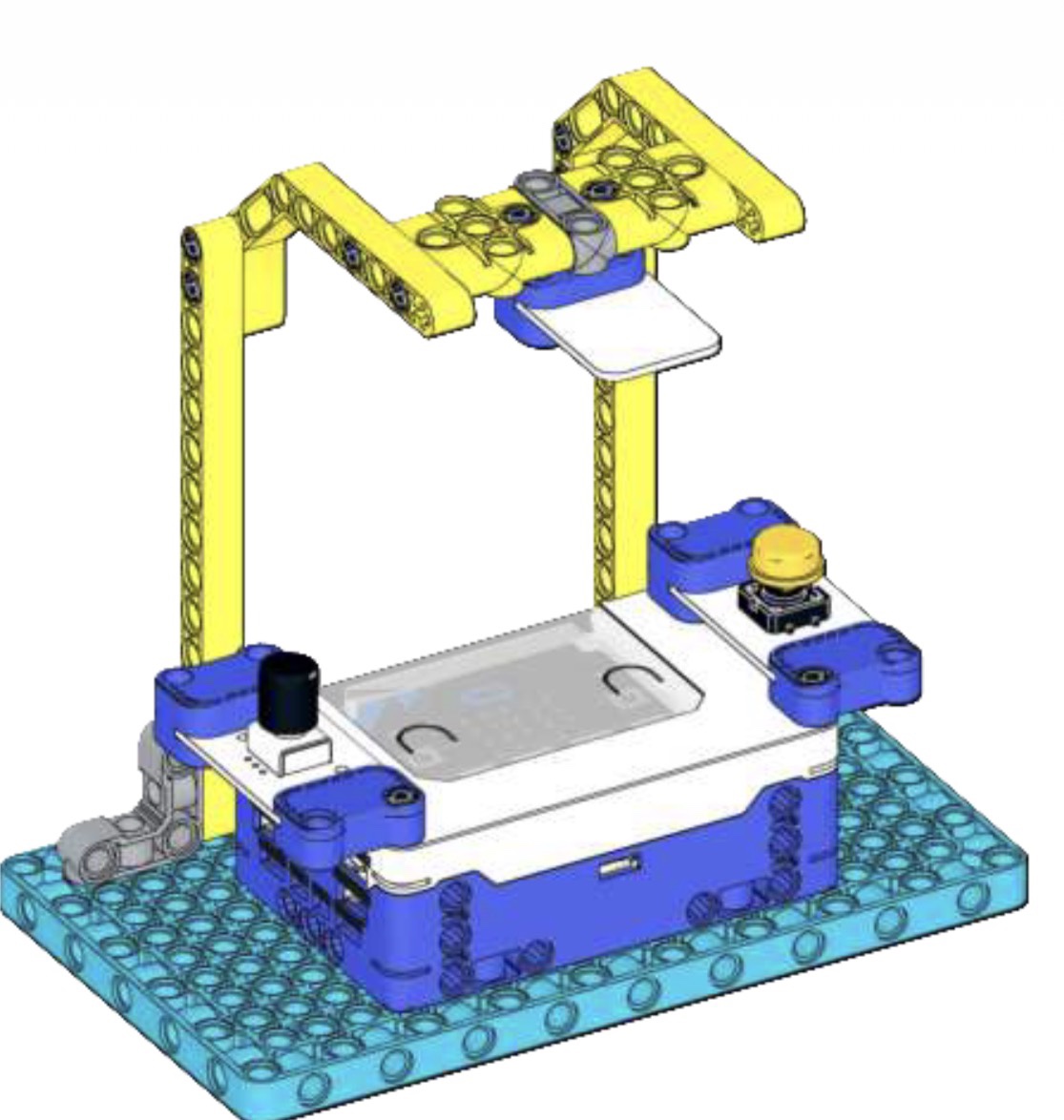
How Can Preschool Children Learn Coding?
Coding Starts Long Before a Computer
When people hear the word coding, they often imagine children sitting in front of a computer writing code.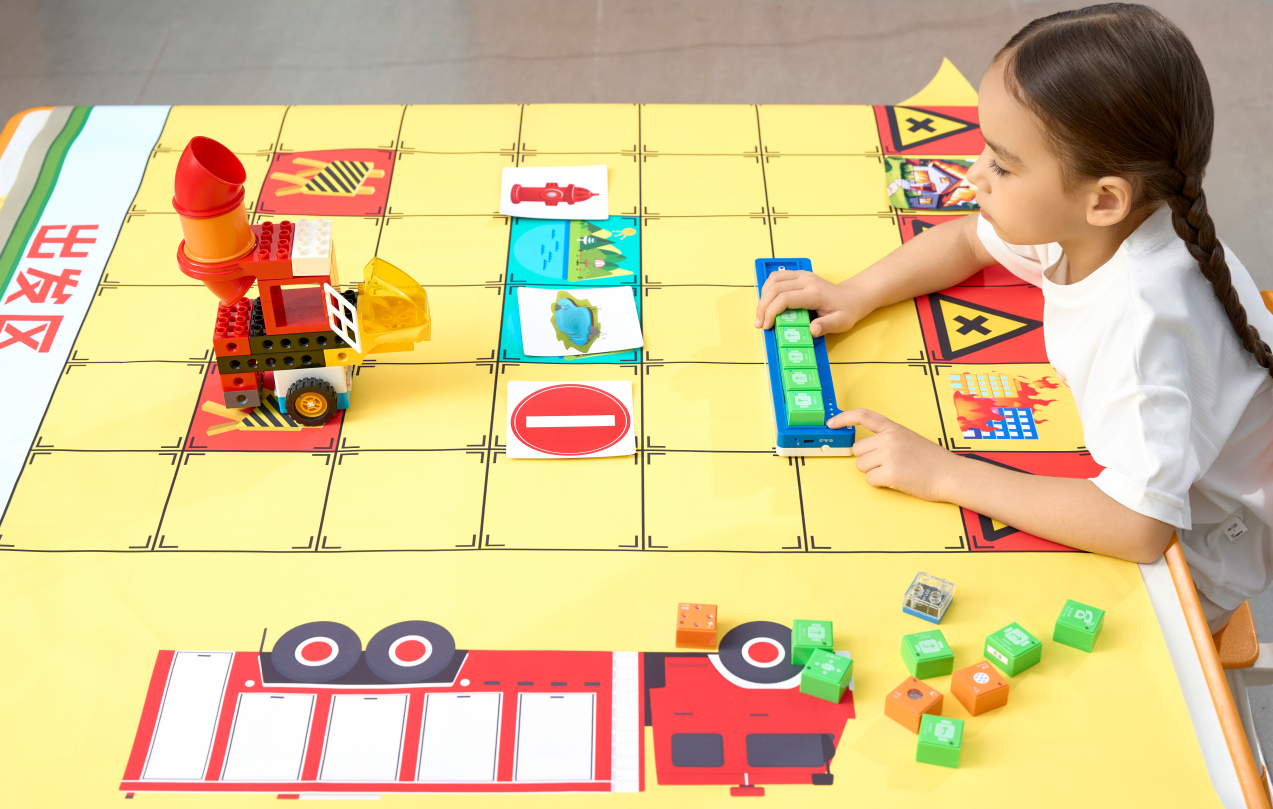
But for children aged 3 to 6, coding isn't about typing commands or staring at a screen.It's about learning how to think.
Children learn to:
recognize patterns
follow sequences
solve problems
predict outcomes
work together
think logically
These are the foundations of computational thinking—the same thinking skills professional programmers use every day.
That's why many educators now recommend introducing coding without screens during early childhood.
Why Screen-Free Coding Matters
Young children learn best through movement, conversation and hands-on exploration.
Instead of clicking a mouse or tapping a tablet, they should be:
✔ Moving coding blocks
✔ Discussing solutions with classmates
✔ Testing ideas
✔ Finding and correcting mistakes
✔ Solving challenges together
Screen-free coding encourages children to interact with the real world rather than simply watching a screen.
It combines coding with communication, creativity and collaboration.
Meet ICBlocks – Screen-Free Coding for Young Learners
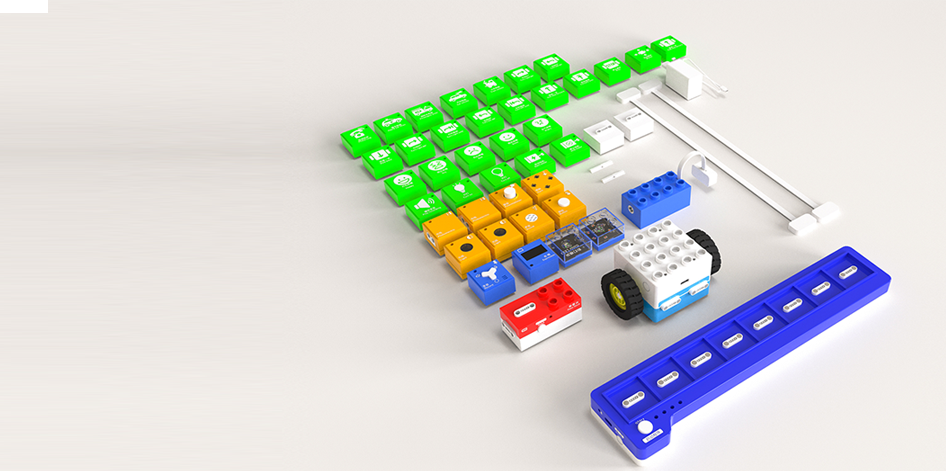
ICBlocks is ICreateRobot's screen-free coding system designed specifically for children aged 3+.
Instead of programming on a computer, children use colorful magnetic coding blocks to build sequences and control the robot.With simple commands such as:
Forward、Backward、Turn Left、Turn Right、Repeat
children quickly understand that every action follows a logical sequence.
Learning becomes a game rather than a lesson.
More Than a Coding Toy — A Complete Classroom Solution
Unlike many educational toys, ICBlocks is designed for real classroom teaching.
The complete solution includes:
Teachers can easily organize coding lessons without requiring computers or tablets.
Students gradually move from simple movement commands to more advanced logical thinking and problem-solving activities.
Learning Through Classroom Challenges
In every lesson, children receive a challenge.
For example:
"Can you help the robot reach the apple?"
Students work in small groups to:
-
analyze the map
-
plan the route
-
arrange coding blocks
-
test the solution
-
improve their program
Instead of memorizing answers, they learn how to think.
Every mistake becomes an opportunity to learn.
Coding Competitions Build Confidence
As children gain confidence, they participate in coding competitions and challenge activities.
These competitions encourage students to:
Most importantly, children discover that coding is creative, exciting and fun.
The classroom becomes full of discussion, laughter and exploration.
Building Computational Thinking from an Early Age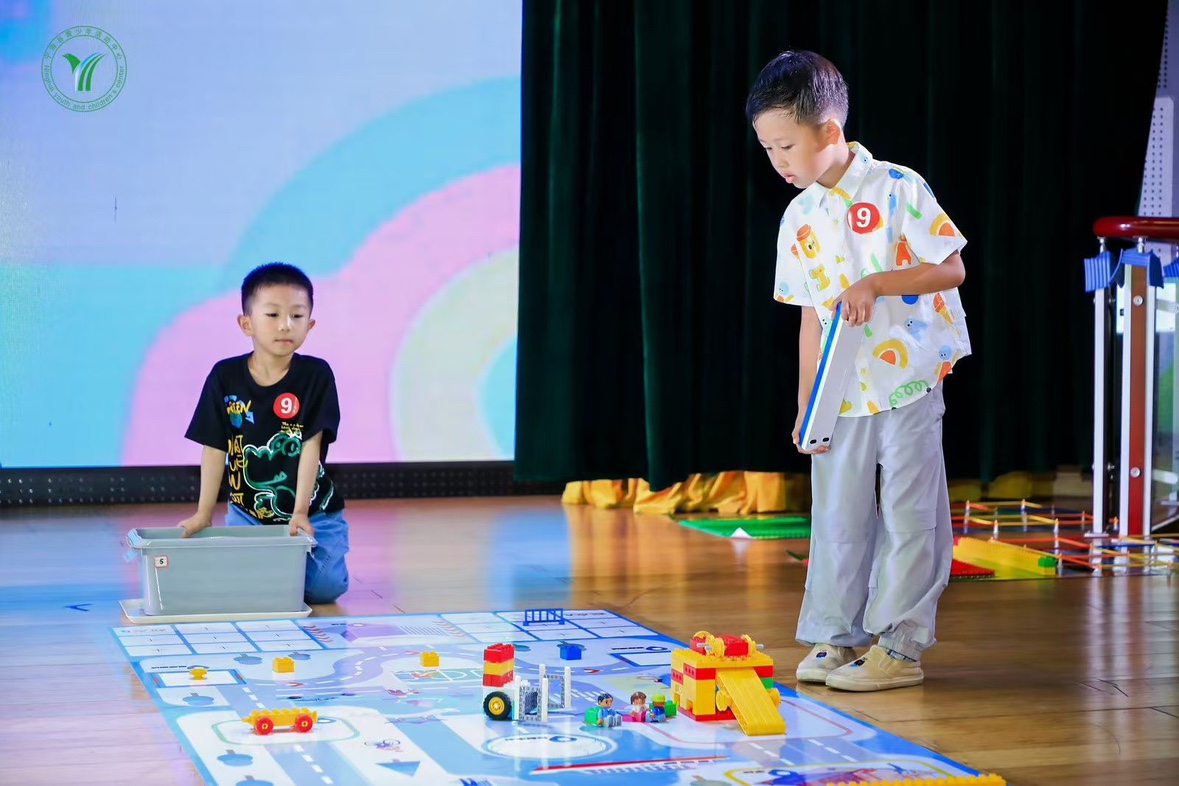
Computational thinking isn't about becoming a programmer at age five.
It's about developing lifelong skills such as:
-
Logical reasoning
-
Problem solving
-
Creativity
-
Critical thinking
-
Collaboration
-
Communication
-
Persistence
These skills support learning across mathematics, science, engineering and everyday life.
Why Schools Choose ICBlocks
Schools and STEM learning centers choose ICBlocks because it offers much more than hardware.
They receive:
✅ Complete teaching curriculum
✅ Classroom-ready lesson plans
✅ Hands-on STEM activities
✅ Competition resources
✅ Teacher training
✅ Progressive learning pathway
Every lesson has been developed and refined through ICreateRobot's own network of more than 100 STEM learning centers, ensuring that both the products and curriculum are tested in real classrooms before reaching schools worldwide.
Start Your Screen-Free Coding Journey
Whether you're a preschool, kindergarten, primary school or STEM learning center, introducing coding doesn't have to start with a computer.
It can begin with curiosity, creativity and hands-on exploration.
With ICBlocks, children don't just learn coding.
They learn how to think.
Discover ICBlocks
Looking for a complete screen-free coding solution for early STEM education?
Explore the ICBlocks Screen-Free Coding Robot Kit and see how children aged 3+ can build confidence, computational thinking and creativity through play-based learning.